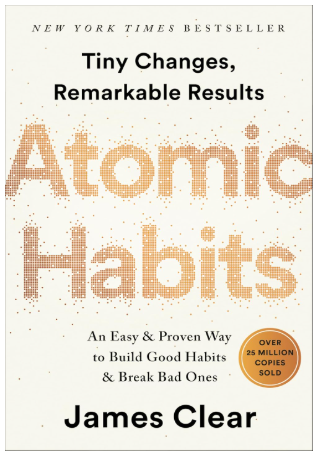
Success is often imagined as the result of major breakthroughs, dramatic transformations, or rare moments of inspiration. In reality, lasting success usually comes from small actions repeated consistently over time. This is the central message of Atomic Habits by James Clear, one of the most practical and influential personal development books of recent years.
The book explains how tiny habits, when practiced daily, can lead to remarkable improvements in health, productivity, finances, relationships, and overall quality of life. Instead of chasing overnight success, James Clear shows readers how to build systems that create progress naturally.
What Does “Atomic Habits” Mean?
The word atomic has two meanings in the book:
- Extremely small changes or tiny actions
- A source of powerful energy when combined over time
This means that even habits that seem insignificant today can create powerful long-term results when repeated consistently.
For example:
- Reading 10 pages per day can lead to multiple books each year
- Saving a small amount regularly can build financial security
- Exercising for 15 minutes daily can transform health over time
- Writing one page per day can become a complete book
Small habits may appear unimportant in the moment, but their long-term effect is enormous.
The Power of 1% Improvement
One of the most famous ideas in the book is becoming 1% better every day.
If you improve slightly each day, the results compound over time. In the same way, small negative habits also accumulate and can create poor outcomes later.
This means success is not about perfection. It is about direction and consistency.
Goals vs Systems
James Clear makes an important distinction:
- Goals are the results you want
- Systems are the processes that lead to those results
Many people focus only on goals:
- Lose weight
- Make money
- Get better grades
- Build a business
But goals alone do not create success. Systems do.
For example:
- Want to lose weight? Build a healthy eating system
- Want to write a book? Create a daily writing routine
- Want to grow a business? Build consistent marketing habits
Winners and losers often have similar goals. What separates them is the system they follow.
Identity-Based Habits
One of the strongest lessons in the book is that lasting change begins with identity.
Instead of saying:
- I want to run
Say:
- I am a runner
Instead of:
- I want to write
Say:
- I am a writer
Instead of focusing only on what you want to achieve, focus on who you want to become.
Every habit is a vote for your future identity.
Each workout is a vote for becoming healthy.
Each study session is a vote for becoming knowledgeable.
Each act of discipline is a vote for becoming reliable.
The Four Laws of Behavior Change
James Clear presents a simple framework for building good habits.
1. Make It Obvious
Design your environment so good habits are visible.
Examples:
- Put a book on your desk
- Keep water nearby
- Place workout clothes where you can see them
- Use reminders and checklists
Environment often shapes behavior more than motivation.
2. Make It Attractive
Pair habits with something enjoyable.
Examples:
- Listen to music while exercising
- Drink coffee only while working on a project
- Study in a pleasant environment
The more attractive a habit feels, the easier it becomes to repeat.
3. Make It Easy
Reduce friction and start small.
Examples:
- Read one page
- Do one push-up
- Write one sentence
- Walk for five minutes
The goal is to master consistency first, then increase intensity later.
4. Make It Satisfying
Humans repeat behaviors that feel rewarding.
Examples:
- Track progress
- Use a habit tracker
- Celebrate small wins
- Notice the benefits immediately
Immediate rewards help maintain long-term habits.
How to Break Bad Habits
The same system can be reversed.
- Make it invisible
- Make it unattractive
- Make it difficult
- Make it unsatisfying
Examples:
- Remove junk food from home
- Turn off notifications
- Uninstall distracting apps
- Increase barriers to harmful behavior
Changing environment is often more effective than relying on willpower.
Why Most People Fail
Many people fail because they:
- Expect fast results
- Depend only on motivation
- Try to change everything at once
- Quit when progress is invisible
Real progress is often slow at first. Habits work quietly before results become visible.
This is why patience matters.
How Atomic Habits Can Change Your Life
This book can help improve:
Productivity
Create routines for focused work and consistency.
Health
Build exercise, sleep, and nutrition habits gradually.
Money
Automate saving and spending discipline.
Learning
Study daily instead of cramming occasionally.
Confidence
Keeping promises to yourself builds self-respect.
Best Quotes from Atomic Habits
“You do not rise to the level of your goals. You fall to the level of your systems.”
“Every action you take is a vote for the type of person you wish to become.”
“Habits are the compound interest of self-improvement.”
“Be more concerned with your current trajectory than your current results.”